Artificial intelligence is changing how businesses attract, qualify, and convert leads online.
Many companies are interested in AI website integrations, but they are often unsure where to start or how the process works.
Some businesses think AI integrations only mean adding a chatbot to a website. Others believe AI is only useful for large companies with complex technology systems.
In reality, AI website integrations can help businesses of all sizes improve lead generation, automate communication, organize data, and create a better customer experience.
At TopLine Media Group, AI integrations are designed to support the full customer journey, from the first website visit to lead qualification, follow-up, and conversion.
A successful AI strategy is not just about adding tools. It is about creating connected systems that improve efficiency and help businesses respond faster.
Businesses that want stronger automation, faster lead response times, and better customer experiences should connect supporting content and implementation guides back to the main AI Integrations service page to strengthen authority and improve search visibility.
What Are AI Website Integrations?
AI website integrations are tools, automations, and connected systems that help businesses manage leads, answer questions, automate tasks, and improve user experiences.
These integrations often connect websites with:
- Customer Relationship Management systems
- Chatbots
- Lead routing tools
- Appointment scheduling systems
- Email marketing platforms
- Analytics dashboards
- SMS messaging tools
- Customer service software
- Automation platforms
- Review and feedback tools
The goal is to create a more seamless process that helps businesses save time while improving the customer experience.
For example, when someone fills out a contact form on a website, AI can automatically qualify the lead, send the information to the correct sales representative, trigger a follow-up email, and even schedule an appointment.
Without automation, businesses often lose leads because response times are too slow or the lead gets sent to the wrong person.
Why AI Website Integrations Matter
Consumers expect businesses to respond quickly. They want fast answers, simple forms, immediate scheduling options, and clear communication.
If a business takes hours or days to respond, potential customers may move on to a competitor.
AI integrations help businesses:
- Respond to leads faster
- Automate repetitive tasks
- Improve customer service
- Organize lead data
- Reduce manual errors
- Improve conversion rates
- Increase staff efficiency
- Create a better user experience
Businesses that rely heavily on inbound leads, appointment requests, phone calls, and website traffic often benefit the most from AI integrations.
This includes industries such as:
- HVAC
- Roofing
- Plumbing
- Healthcare
- ABA therapy
- Legal services
- Home services
- Outdoor lighting
- B2B services
- Professional services
These industries often need fast lead response times and better systems for managing inquiries.
What AI Integrations Usually Include
A strong AI integration strategy usually involves multiple connected systems rather than a single tool.
CRM Integration
Customer Relationship Management platforms are often the center of an AI integration framework.
A CRM stores customer information, tracks lead activity, records communication history, and helps businesses manage follow-up.
AI can improve CRM performance by:
- Automatically assigning leads
- Prioritizing high-value prospects
- Tracking user behavior
- Predicting customer intent
- Sending automated reminders
- Triggering follow-up emails and text messages
When CRM systems are connected to website forms, chat tools, and call tracking systems, businesses can respond faster and reduce the risk of losing leads.
AI Chatbot Integration
AI chatbots are one of the most common website integrations.
Modern chatbots can do much more than answer simple questions. They can:
- Collect lead information
- Answer common questions
- Recommend services
- Schedule appointments
- Route conversations to staff members
- Provide support after business hours
- Qualify leads before sending them to the sales team
For example, a chatbot for an HVAC company may ask users questions about the type of issue they are having, whether they need emergency service, and where they are located.
This information can then be sent directly to the correct team member.
Lead Routing And Qualification
Lead routing is one of the most important parts of an AI integration framework.
Businesses often receive leads from multiple channels, including:
- Website forms
- Chatbots
- Phone calls
- Social media
- Google Business Profile
- Paid ads
- Email campaigns
AI tools can automatically route these leads to the correct department, location, or team member.
For example:
- Emergency service leads can be prioritized immediately
- Sales leads can be assigned to the appropriate representative
- Local leads can be sent to the correct office
- Existing customer inquiries can be routed to support teams
This helps businesses respond more quickly and avoid delays.
Website Automation
AI website integrations can automate many tasks that businesses normally handle manually.
Examples of website automation include:
- Auto-responses after form submissions
- Appointment confirmations
- Follow-up reminders
- Review request emails
- Lead scoring
- Customer surveys
- Personalized content recommendations
- Dynamic website messaging
Automation helps businesses improve consistency while reducing the workload on staff.
For example, a customer who schedules a consultation can automatically receive:
- A confirmation email
- A calendar invite
- A reminder text message
- Directions to the office
- A list of next steps
This creates a better customer experience and reduces missed appointments.
How TopLine Media Group Approaches AI Integrations
At TopLine Media Group, AI integrations are built around business goals, customer behavior, and operational efficiency.
The goal is not simply to add more tools. The goal is to create systems that work together.
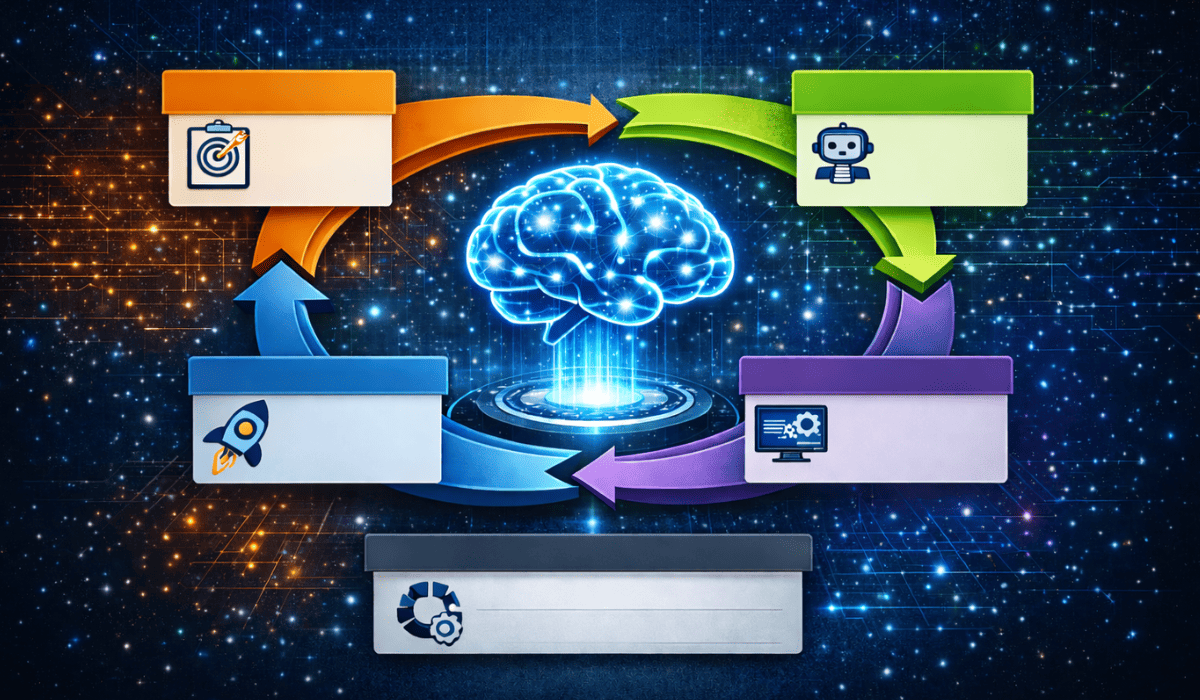
The framework typically includes:
Identify Business Goals
The first step is understanding what the business wants to improve.
Common goals include:
- Generating more leads
- Improving response times
- Reducing manual work
- Increasing appointment bookings
- Improving customer communication
- Better tracking marketing performance
- Reducing missed opportunities
Without a clear goal, businesses often end up with disconnected tools that do not provide real value.
Audit Existing Systems
The next step is reviewing the current website, CRM, forms, chatbot tools, scheduling systems, and analytics platforms.
This helps identify:
- Gaps in the current process
- Missing automation opportunities
- Duplicate tools
- Slow response points
- Lead tracking issues
- Integration problems
Many businesses already have useful tools in place but are not using them effectively.
Build Connected Automations
Once the gaps are identified, businesses can begin building workflows that connect systems together.
Examples include:
- Sending form leads directly into the CRM
- Triggering chatbot conversations based on page visits
- Automatically notifying staff when a high-priority lead comes in
- Sending follow-up emails after appointments
- Routing local leads to the correct office
These workflows help businesses reduce delays and improve communication.
Track Performance And Improve
AI integrations should be monitored regularly.
Businesses should track:
- Lead response times
- Conversion rates
- Appointment bookings
- Missed leads
- Chatbot engagement
- Form submissions
- Customer satisfaction
Over time, businesses can improve automations, adjust lead routing, and refine customer communication.
Common AI Integration Mistakes
Many businesses make mistakes when implementing AI integrations.
Adding Too Many Tools
Some companies add multiple AI tools without thinking about how they work together.
This can create confusion, duplicate work, and disconnected customer experiences.
Failing To Connect Systems
AI tools work best when they are connected.
A chatbot that is not connected to the CRM or scheduling system may collect leads but fail to create real business value.
Ignoring The Customer Experience
Businesses sometimes focus too much on automation and not enough on usability.
Customers still want clear communication, easy navigation, and human support when needed.
Not Tracking Results
Without reporting and analytics, businesses may not know whether their AI integrations are improving lead quality, response times, or conversion rates.
Overcomplicating The Process
The best AI integration strategies are often simple.
Businesses do not need dozens of automations. They need a few well-built systems that solve real problems.
AI Integrations And The Future Of Lead Generation
AI integrations are becoming increasingly important because customers expect faster and more personalized experiences.
Businesses that rely only on manual lead management often struggle to respond quickly enough.
For example, if a potential customer submits a form after business hours, AI tools can instantly send a confirmation message, qualify the lead, schedule a follow-up, and notify the correct team member.
This keeps the customer engaged while reducing the chance of losing the opportunity.
AI can also help businesses identify patterns in customer behavior.
Over time, businesses can learn which pages generate the most leads, which forms convert the best, and which marketing channels bring in the highest-quality prospects.
This type of data helps businesses make better decisions about advertising, content, website design, and lead follow-up.
Instead of relying on guesswork, businesses can use AI-driven insights to improve performance.
Companies that invest in AI integrations now are building systems that can grow with them.
As businesses expand, automated tools help manage higher lead volumes without sacrificing speed or customer experience.
Why Businesses Should Invest In AI Integrations Now
Customer expectations are changing quickly. People expect fast responses, personalized communication, and easy ways to interact with businesses.
Companies that continue to rely only on manual processes may struggle to keep up.
AI website integrations help businesses create faster, more efficient, and more scalable systems.
Businesses that invest in AI integrations now can improve customer experiences, reduce missed opportunities, and build a stronger competitive advantage.
As technology continues to evolve, AI integrations will become an even more important part of websites, lead generation systems, and customer communication.
Businesses that start building these systems now will be better prepared for the future.