Did you know how Netflix suggests series you’re sure to love?
And, how Spotify and YouTube Music arrange the list of top songs you want to hear?
Well, this is an era of Artificial Intelligence, which automates content based on the user’s interests, requirements, and search patterns.
From websites and social media to chatbots and ad campaigns, artificial intelligence has transformed digital marketing.
The way we worked before is completely different from modern marketing.
Whether it is helping brands connect with their audiences, understanding large amounts of data, or accelerating your company’s revenue, AI in Digital Marketing is the new trend across all industries.
It helps improve accuracy, reduce workload, and deliver positive outcomes.
In this guide, we will tell you about the meaning of AI in marketing, different types of tools used in digital marketing, and why it is important to choose experts to build an AI marketing strategy and boost ROI.
What is the Meaning of Artificial Intelligence in Modern Marketing?
AI in marketing is the procedure of using AI tools, such as ChatGPT, Gemini, Perplexity, Claude, Microsoft Copilot and personal assistants like Amazon Alexa and Google Assistant.
In marketing, AI tools and methods help obtain customer insights, which marketers leverage for content optimization, creating personalized campaigns, and making informed decision-making.
It is a fast technology comes with endless opportunities, such as
- Highly optimized content creation
- Automated customer replies
- Audience targeting and segmentation
- Image and video creation
- Future predictions and analytics
- Campaign performance tracking
- Sentiment analysis and social listening
- Meta Ads automation and Google Ads
Why is AI Important in Marketing?
There is no need to explain to marketers why AI matters in marketing, because most of them understand that this advanced technology is the key to business growth.
From SEO, email marketing, content creation, social media marketing to paid media, AI has the potential to personalize your customer experiences.
It helps automate routine tasks, such as scheduling social media posts, email management, and delivering insights on how to perform better in the future. Er
Instead of guessing what customers are looking for in your service, AI provides real-time data and suggests strategies that marketers can leverage to generate more leads and sales.
The objective of AI is to suggest how people click on your service, how they behave when they see a particular ad, what they watch, and what they want to buy.
With all these benefits, how can you ensure that AI marketing is important for your business?
This is where a digital marketing company comes to play. No doubt, AI tools are useful, but they require expertise and skills to use this advancement effectively.
A professional marketing specialist has the best AI marketing strategy to
- Work on automated campaigns for Google Ads, Facebook Ads, and paid media.
- Use the right AI tools for particular industries.
- Understand AI-produced insights and data
- Optimize AI-generated responses
- Implement Ads tailored to customer’s needs
In simple words, AI is the new technology, but only experts know how to use it wisely and produce results, drive leads and and ensure consistent growth.
How AI Boosts Decision-Making
The core strength of AI lies in providing data in real-time and guarantee accuracy and profitability in marketing. It helps you know
- The content that users like
- Ads that provide better return on investment
- The right time to send emails and get response from subscribers
- Products that your customers can buy next
How Generative AI Revolutionizes Marketing
Generative AI in marketing enables experts to craft timely, relevant, and trustworthy customer experiences.
From generating content, exploring segmentation insights to automating two-way unstructured conversations, generative AI saves more hours by streamlining all the processes effectively.
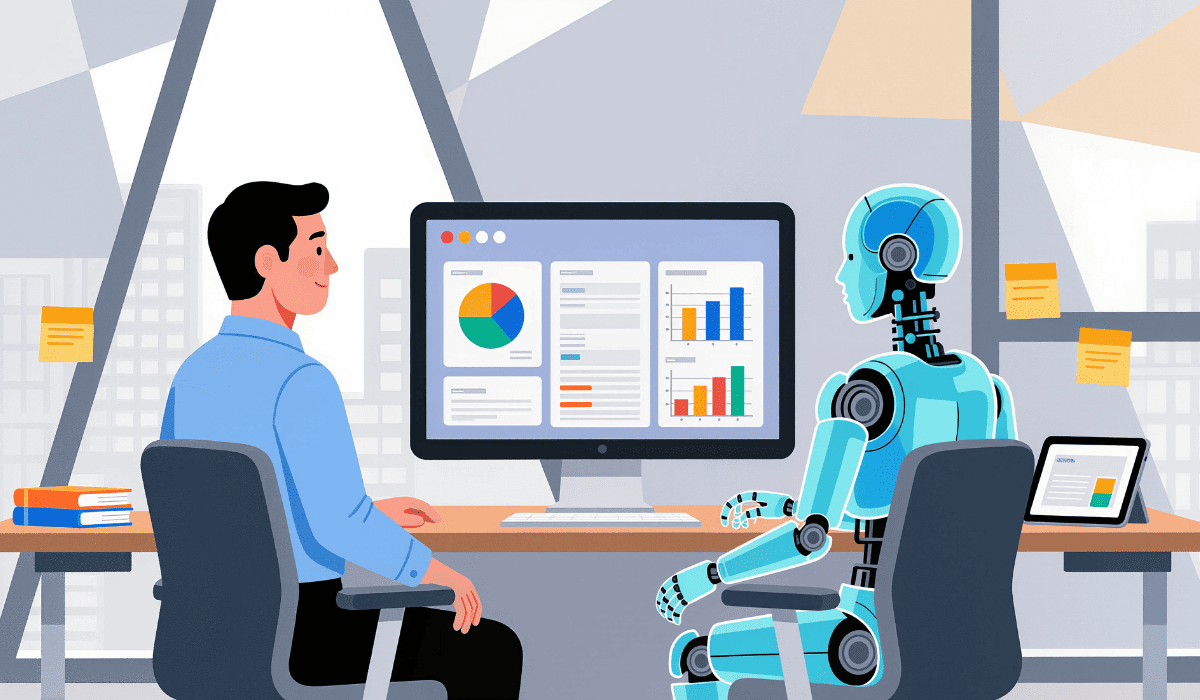
AI acts as a smart assistant that concentrates on team productivity, efficiency, speed, and independence.
By combining technologies like NLP (natural language processing), Machine Learning, and Large Language Models, AI eliminates guesswork and delivers revenue generated campaigns.
The Use of ML, NLP, and LLMs in Marketing
- Machine learning helps predict customer choices, analyze campaign performance, and enhance ad targeting.
- NLP (natural language processing) supports virtual assistants and helps them talk with humans naturally.
- Large language models are advanced models powered by AI to create content, write blog posts, and draft emails.
Core Applications of AI in Digital Marketing in 2026
Artificial intelligence has become a key driver to transform digital marketing. From managing relationships between customers and businesses to providing actionable suggestions, AI integration ensures better decision-making, more automation, and personalized experiences.
AI is used in almost all industries. Brands can use AI in the following areas:
1. AI in Content Writing and Optimization
AI content creation focuses on quality and allows marketers to deliver content faster. AI tools can now
- Create blog posts, articles, social media ad copy, descriptions, landing page copy, marketing emails, YouTube scripts, and more.
- Conduct keyword research and allow for easy content optimization.
- Generate audios, images, videos.
- Repurpose content for different platforms
This doesn’t eliminate human writers, but boosts their productivity. Overall, the marketing team can help you create content faster without compromising quality.
Tools like Jasper, ChatGPT, and Claude assist in understanding brand voice, tone, search ranking factors, and audience intent.
This allows marketing teams to produce SEO-optimized content and rank better.
For content optimization, AI algorithms work on
- Search trends
- User engagement
- Keyword performance
- Bounce rate behavior
From titles, structure, subheadings to keyword density, marketers can use AI tools for content marketing and create content for the right audience.
2. AI in Email Marketing
AI in email marketing aims to personalize content, segment audiences, and optimize send times.
With the use of machine learning algorithms, AI integration supports A/B testing, open rates, and increased results.
For your knowledge, predictive AI concentrates on historical data. Generative AI creates content that is relevant to users’ needs.
Both predictive AI and generative AI is beneficial for personalizing key processes in email marketing.
AI helps create email marketing campaigns and provides lifetime value.
It helps you analyze customer behavior, and ensures that businesses can target new customers and engage them well.
Here’s how AI works for email marketing:
- Help write high-converting subject lines, full email copy, and CTAs based on your audience interests.
- Help automate email sequences, like welcome email, product awareness, cart reminders, and engagement and re-engagement campaigns.
- Help personalize content based on browsing patterns, purchase history, and user preferences.
- Help track performance and suggest improvements to increase conversions.
3. AI in Paid Media
AI advertising solutions are another transformation in marketing.
From creating ads strategy, content creation to automate targeting, AI in paid media fulfills user’s intent in real-time and delivers favourable outcomes for businesses.
Marketers can even enhance ad performance based on user behavior and click rates.
They can collect data of successful ads, and change their strategies to build more smarter campaigns in the future.
Key benefits involve:
- AI-generated ad content with keywords insertion.
- Smart segmentation and right audience targeting
- Automated bidding to produce more conversions
- Detailed optimized and real-time performance tracking
- Analysis on budget and results
- enhanced ROAS through minimum ad spend
AI ensures your ads will show to the right users.
Top AI Marketing Tools to Use in 2026
Below are the list of top AI tools for marketing
1. AI content creation tools: Jasper, Claude, Copy.ai, Claude, Synthesia, Writesonic, and Midjourney. These tools are best for producing high-quality content.
2. AI Email Marketing Tools: Klaviyo AI, HubSpot, Mailchimp, and Brevo. They can perform optimization, automate segmentation and personalization.
3. Automation & AI analytics tools: Make.com AI, Levity, Zapier AI, HubSpot Operations Hub, and Pabbly AI. These tools save manual effort and ensure automatic workflow management.
4. AI Advertising Solutions: Platforms like Meta Advantage+, Google Ads AI, LinkedIn AI Campaign Optimization, TikTok Smart Ads are best for creative testing, targeting, and bidding.
Benefits of AI-Focused Marketing
Less Manual Work & Immediate Action
AI provides better strategy to marketers and helps them automate repetitive tasks, ensuring faster delivery of routine tasks.
Consistent Content Creation
Ensure stability for content creation. Whether it is a blog post or an ad copy, writers can create content in less time.
Tailored Approach
AI can provide personalized content for ads, websites, and social media. Even individuals can get extra suggestions for their work.
Less Costs & Higher ROI
AI targets users as per your location and business requirements. By focusing on user behavior, demographics, and interests, one can reduce unnecessary ad budget, and boost conversions.
AI Marketing Future Trends in 2026
1. AI-intelligent Teams
Marketers have already started implementation with AI assistants.
Whether it is content creation, content strategy, content optimization, SEO, GEO, AEO, or any any task, AI will provide competitive advantage in 2026.
2. Increase Customer Loyalty with Hyper-personalization
Every touchpoint from blog creation, emails to ads, every task will be personalized to win trust of customers and address their needs.
3. AI-powered Virtual Influencers
AI-based virtual influencers are digital avatars that behave like real personalities on social media. They share lifestyle content, post updates, and collaborate with brands.
4. Fully Automated Ad Campaigns
AI will help you get an estimated budget for the total number of ads. It provides strategies for testing. However, this technology will work if you have guided experts because they know how to generate Ad campaigns with tools and ensure successful implementation.
Conclusion
AI is the new marketing strategy and helps businesses stay ahead of the competition.
It is a fast-growing technology ideal for smarter content creation, automated customer journeys, Search engine optimization, answer engine optimization (AEO), and predictive advertising.
Marketers who work on this technology can get measurable results.
At Top Line Media Group, we are an AI-driven digital marketing company and promise to boost your revenue 30% faster than conventional marketing strategies and ensure 100-150% open rates for emails.
FAQs
What is AI-driven marketing?
AI-focused marketing involves artificial intelligence to automate routine marketing tasks and help in personalization. From email marketing, content creation, to ad targeting, we ensure the best customer experience across all industries.
How can I increase digital marketing performance with AI?
By optimizing your website content, social media, and ad campaigns, you can increase the performance of your efforts, reduce manual work, and obtain real-time data for better decision making.
What are various AI marketing tools businesses will use in 2026?
Tools like Jasper, ChatGPT, Google Ads, Hubspot AI, Meta Advantage+ are the most effective AI marketing tools for businesses.
Are AI tools better than humans?
Both AI and humans can craft high-quality content. However, combining human creativity with AI strategy creates more effective content that ranks on Google and highlights your brand on AI snippets.
Which is better – traditional ads or AI advertising?
AI improves optimization, targeting, and bidding. Hire a digital marketing company that offers both services and ensures better conversions and higher ROI.
How is AI useful in email marketing?
AI can create email content, improve click-through and open rates, help you know the right time to send an email, and automate segmentation.
Which sectors choose AI marketing?
Any company running an online business can choose AI marketing. For example, real estate, healthcare, eCommerce, finance, IT-based business, service industries.
What is the future of AI in 2026?
Marketing teams will use more AI-powered systems in the future. They will use smarter analytics and combine them with manual approaches to bring more customers to your table.